“Future-Proof” Means Different Things to Marketing vs Reality
It’s been five years since the Connectivity Standards Alliance (née Zigbee Alliance) promised that Matter would unify smart home chaos. Your Philips Hue lights would finally talk to your Eve sensors would finally talk to your Wyze cams without three separate apps, bridges, and tears. The press releases were glorious. The demo videos flowed like wine. And then… you tried to actually use it.
Matter exists. Thread exists. Some things work. Some things are better. But the ecosystem is still a patchwork of half-baked implementations, and if you’re building a home lab on a reasonable budget, you need to know what’s real and what’s still marketing momentum. Let’s separate the hype from what actually belongs in your rack.
What Matter Actually Is (Not the Marketing Spin)
Matter is a network protocol spec, not a technology, not a magic bullet, just a way for devices to communicate over IP (Wi-Fi or Thread). It’s like saying “HTTP is a protocol.” You still need a browser, servers, TLS certs, and the whole stack. Matter is the same: a specification that device makers promise to follow. That’s it.
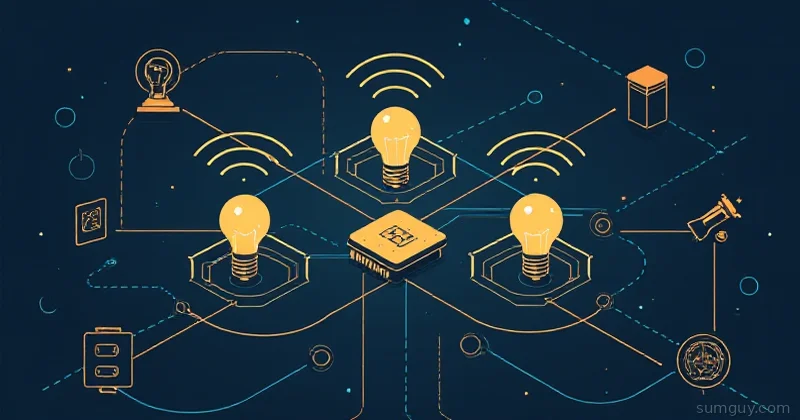
The promise: no more proprietary ecosystems. Your Nanoleaf lights work with HomeKit, Google Home, Alexa, and Samsung SmartThings simultaneously, without a central hub forking the configuration.
The reality: Matter devices mostly work with their native ecosystem first, Matter protocol second, if it ships at all. And “simultaneously” is generous. Multi-home support is… let’s say “incomplete.”
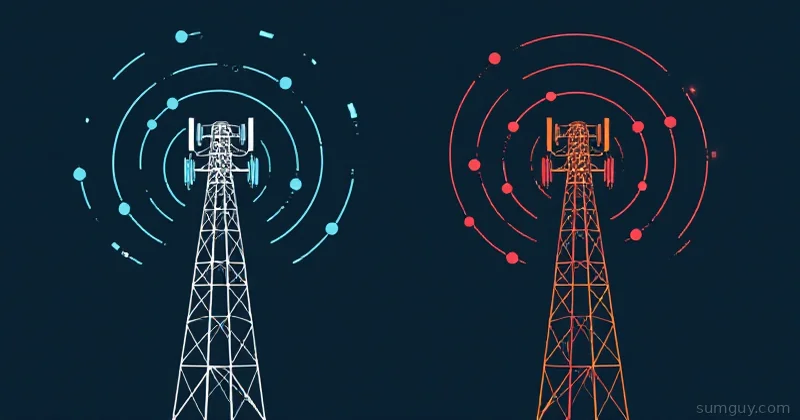
Thread is simpler: an IPv6 mesh networking layer that runs over the same IEEE 802.15.4 radio Zigbee uses, letting battery-powered devices relay through each other instead of relying on Wi-Fi range. (Same radio band as Zigbee, completely different protocol on top (it speaks IP, Zigbee doesn’t).) Thread = better mesh. That part is actually solid. If you have a good Border Router (HomePod mini, Google Home 2nd gen, some Aqara stuff), Thread nodes work reliably.
But here’s the car analogy: Thread is a great transmission. Matter is the promise that your Ferrari’s transmission will fit in a Honda Civic. Technically true, but you’ll hit eighteen other problems before the transmission matters.
The Current Ecosystem (October 2026)
What Works Well
Thread as a mesh backbone: If you’re running HomeKit or Google Home with Matter border routers, Thread is the bright spot. Battery-powered sensors (Eve’s Thread motion sensors, Nanoleaf Essentials, some Aqara stuff) stay connected, mesh reliably, and don’t drain batteries as fast as Wi-Fi polling. This is not theoretical, it works. The mesh is sticky enough that you’ll actually rely on it.
HomeKit + Matter: Apple was late but committed. HomeKit-native devices that support Matter (Eve, Nanoleaf, Logitech, Vocolinc) sync across your HomeKit homes without drama. If you’re in the Apple ecosystem and only the Apple ecosystem, Matter is a quiet win. You don’t even notice it; stuff just works.
Some Nanoleaf & Aqara gear: Nanoleaf’s Essentials lights (the Thread-native lineup) and their Canvas panels work. Aqara’s Thread switches and sensors aren’t bad if you accept that they want to route through Aqara Hub first (even with Thread enabled). It’s not pure Matter bliss, but it’s usable.
What’s Still Broken or Missing
Multi-ecosystem Matter: The core promise. Nope, not there yet. That Philips Hue lamp? Works great over Zigbee, decently over Matter in HomeKit, but if you try to add it to Alexa simultaneously via Matter, you get a shrug and a “it’ll be supported in the next release.”
Matter over Wi-Fi: Theoretically available. Practically a battery drain and a reliability gamble. Most implementations prefer Thread if available, Wi-Fi if necessary. But “if necessary” means your Wi-Fi devices become unreliable orphans the second your Thread border router hiccups.
Locks and Garage Doors: Locks are still mostly proprietary. Level Lock, Yale, Meross, they’re all “working on” Matter, and you’ll be back to bridge hacks and workarounds. Garage doors got a spec home in Matter 1.5’s “Closures” category, shipped November 2025, but certified Matter garage door openers are still rare on shelves. Don’t expect a plug-and-play garage door here before 2027.
Video & Cameras: Barely started. HomeKit Secure Video clips still don’t matter (pun intended) because each vendor’s camera app hooks into their own cloud. The CSA shipped camera support in Matter 1.5 (WebRTC-based live video and audio, refined further in Matter 1.5.1), but vendor adoption is brand new: SmartThings just turned on support, and most camera makers haven’t shipped a Matter camera yet. Don’t expect cross-ecosystem camera streaming to just work in 2026.
Cross-brand automation: The real test. Can a Matter-enabled Aqara button trigger a Nanoleaf scene in the same matter? Depends entirely on which hub you’re using and whether both devices bothered to implement the full spec. Spoiler: they didn’t.
Maturity Check: Is Matter a Home Lab Play Yet?
Short answer: conditionally. It depends on your tolerance for jank and your choice of ecosystem.
If you’re HomeKit-only: Matter is a subtle upgrade. You get better Thread mesh, devices that work across multiple HomeKit homes more reliably, and the assurance that future Eve products will integrate without extra setup. You’re not solving a problem you have; you’re bracing against a problem you don’t. That’s… okay? Not worth ripping out your Zigbee setup, but if you’re building fresh, slant toward Matter-native devices.
If you’re multi-ecosystem (HomeKit + Alexa + Google): Don’t. Matter doesn’t deliver the single-source-of-truth experience yet. You’ll build complex automations that half-work because one device didn’t implement the edge case the other four did. Stick with single ecosystems, or bridge them through something neutral like Home Assistant that can expose devices to multiple controllers; Matter alone won’t broker that for you yet.
If you’re Home Assistant: This is where it gets interesting. Home Assistant has had built-in Matter support for years now: you can add Matter devices directly without vendor apps. The default Matter Server add-on still wraps the official Matter (formerly CHIP) C++ SDK, and that codebase is done: version 8.1.2 is the final release, no more updates coming. The replacement is a matter.js based rewrite, but it’s still in beta and hasn’t been re-certified by the CSA yet, so don’t switch a production setup over on day one. But there’s a limit: Home Assistant as a Matter controller is read-only for some integrations. You can see the state, you can’t always change it. The device still wants to talk to its native ecosystem. It’s like learning your neighbor’s phone number but you can only receive calls, not make them.
If you’re Zigbee hardcore (Zigbee2MQTT + IKEA Trådfri lamps): Thread isn’t a direct replacement, and Matter doesn’t care about your Zigbee mesh. But because Thread and Zigbee share the same 802.15.4 radio, some multiprotocol chips (think Silicon Labs sticks) can run both (though usually not at full strength on the same dongle simultaneously without multiprotocol firmware). You could hypothetically bridge both, but you’re adding complexity for… what gain? Stick with Zigbee if it’s working.
The Real Friction Points
Firmware Delays
Devices ship with “Matter support coming Q2 2024.” It’s October 2026, and you’re still waiting. Eve has been better about this than most, but even Apple-aligned vendors ghost after the announcement. Budget for 18-month delays minimum.
Hub Fragmentation
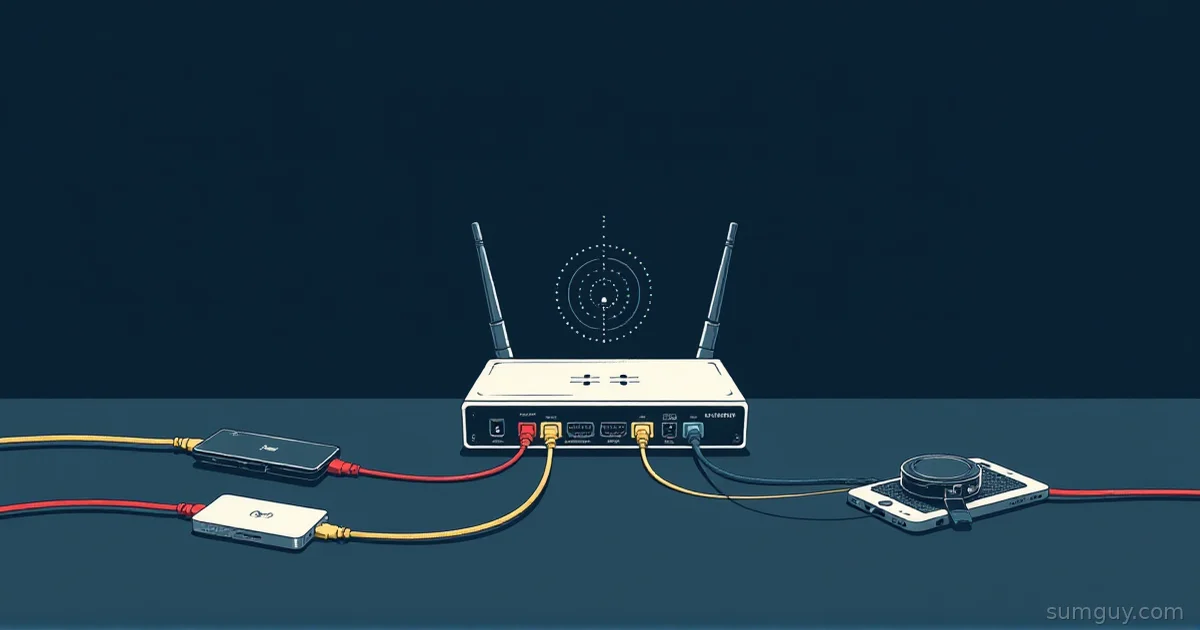
Thread needs a border router. HomeKit has HomePod mini and Apple TV 4K. Google has Nest speakers. Amazon has… Echo devices with mixed support. Matter still needs hubs or “controllers.” Most Matter devices default to working through a traditional bridge (Aqara Hub, Philips Hue Bridge) even if Thread is available. You’re not eliminating hubs; you’re sometimes adding them.
Price Creep
Thread and Matter devices are 20-40% pricier than Zigbee equivalents. An Aqara Thread sensor costs ~$25. A Zigbee equivalent is ~$8-12. You’re paying for “the future.” Whether that’s worth it is your call, but it’s real money if you’re building a lab with dozens of sensors.
Beta Features as Shipping Products
Automations, remote access, iCloud+ integration: all of this is supposed to work flawlessly with Matter. In practice, it’s a beta test. Cross-home automations drop. Remote access hangs. iCloud Shared Home permissions are chaotic. You’re not paying for a finished product; you’re funding the next 12 months of bug fixes.
A Practical Home Lab Approach
If you’re starting fresh in 2026:
-
Pick one ecosystem first. HomeKit, Google Home, or Alexa, not all three. Matter doesn’t solve that problem yet. Pick the one your family uses most, then make that the spine.
-
Use Thread for battery sensors only. Thread mesh is solid for motion sensors, door contacts, humidity monitors. Plug-in devices (lights, switches) should stay on Wi-Fi or Zigbee where reliability is proven.
-
Buy Matter-compatible within your chosen ecosystem, but don’t overpay. If you’re in HomeKit and Nanoleaf Essentials are the same price as Zigbee lights, go Matter. If there’s a 30% tax, stick with proven Zigbee and invest in a good border router instead.
-
Keep a Zigbee escape hatch. Home Assistant + Zigbee2MQTT is still the most flexible fallback. Thread devices can bridge to HomeKit; Zigbee devices can’t. Don’t lock yourself into pure Matter.
-
Ignore video and locks. These categories are still proprietary hells. Matter touches them barely. Buy the best single-vendor solution you can stomach and accept the bridge.
-
Test automations before committing. A Matter device that works in isolation might break in a complex automation. Build small, test, expand. Don’t orchestrate your entire lighting scene on a device that shipped Matter support three months ago.
Should You Care Yet?
Truth is: Thread, yes. Matter, not urgently.
Thread is real infrastructure. If you’re in HomeKit or Google Home and you’re buying battery sensors, go Thread. The mesh works, batteries last longer, and there’s no downside if your controller fails temporarily.
Matter is still a coordination problem wearing a protocol. It’s not broken, but it’s not finished. In a year, maybe two, the ecosystem will solidify. Firmware delays will shrink. Automations will work consistently. The price premium will normalize. At that point, “Matter-native” becomes the obvious choice, like “Wi-Fi” today.
But in October 2026? You’re not missing out by waiting. You’re making a smart bet that someone else will sort the edge cases. And your 2 AM self will appreciate not debugging a Matter automation at 3 AM because a device decided to talk to its vendor cloud instead of your hub.
The forward-planning thing: true story, get a good Thread border router now. HomePod mini ($99) is the cheapest HomeKit border router. That’s not a waste. The rest? You can afford to be picky. The ecosystem is too volatile to treat as infrastructure-as-usual. Treat it as “nice to have, but only after it ships, not before.”