

Self-Hosted HA Reverse Geocoding
Wire local Nominatim into Home Assistant for reverse geocoding without leaking GPS coords to Google or Mapbox. Privacy-respecting smart home in 30 lines.
All the articles with the tag "home-automation".
Wire local Nominatim into Home Assistant for reverse geocoding without leaking GPS coords to Google or Mapbox. Privacy-respecting smart home in 30 lines.

Tasmota vs ESPHome: broader device support, MQTT-native approach, and when legacy Sonoff/Shelly gear demands Tasmota instead
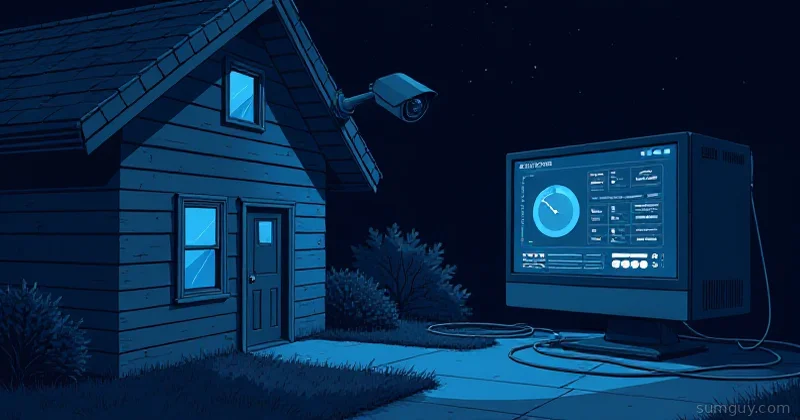
Build a DIY NVR with Reolink PoE cameras and Frigate. RTSP URLs, sub-stream tricks, storage math, doorbell support, and a complete working config.
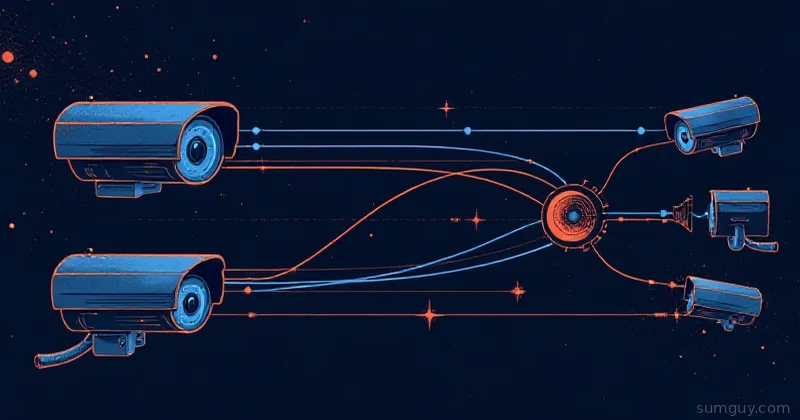
The Coral USB TPU runs out of headroom past a few cameras. GPU and OpenVINO detector numbers for Frigate, config gotchas, and what to buy for six cameras.

Mosquitto vs EMQX: lightweight vs enterprise MQTT brokers. Feature comparison, clustering, auth, resource use, and when each is overkill for your home lab.

Z-Wave and Zigbee compared for 2026: frequency and range, how each mesh breaks, device cost, 2.4GHz interference, and which coordinator dongle to buy.

Matter and Thread protocol overview: what actually works in home labs, what's vaporware, and why you should be skeptical of the hype in 2026.

Ditch Alexa and Google Home. Build a fully local voice assistant with Whisper STT, Piper TTS, and Home Assistant using the Wyoming protocol.

Homebridge bridges devices into Apple Home. Home Assistant is the full local automation platform. Here's which one to pick, or why you'd run both.
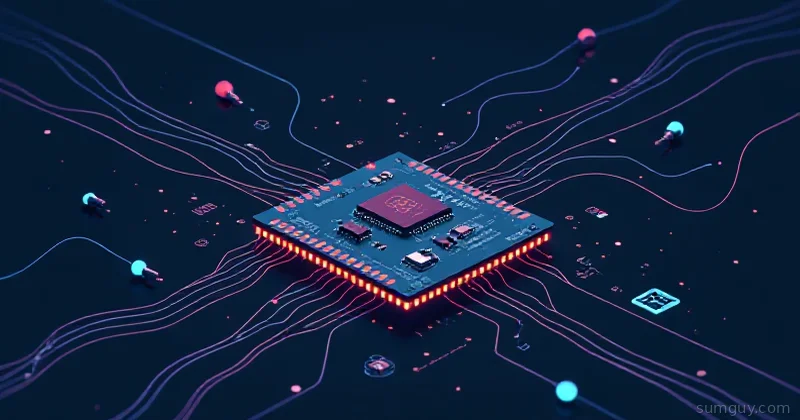
ESP32 boards + ESPHome's YAML firmware = your own cloud-free smart sensors and switches. Sensors, OTA updates, and Home Assistant integration in 30 minutes.
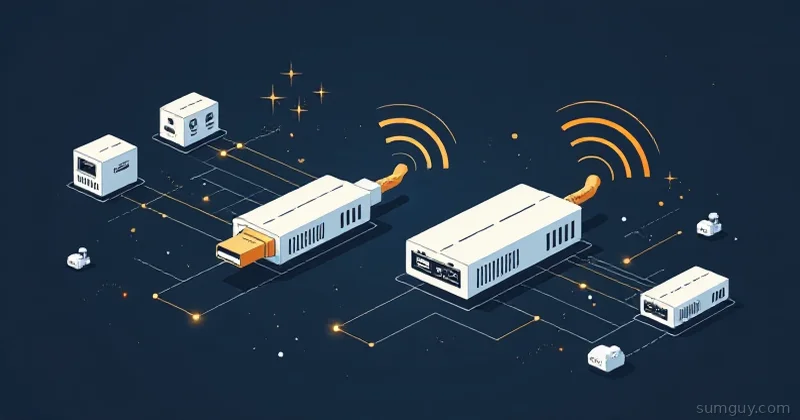
Two paths to running Zigbee in Home Assistant, Zigbee2MQTT for power-user flexibility, ZHA for plug-and-play. Coordinator hardware, range, and the migration myth.
Running Home Assistant OS as a Proxmox VM beats Docker for full Add-ons, USB passthrough, and Supervisor features. Setup, USB sticks, and zero-headache backups.