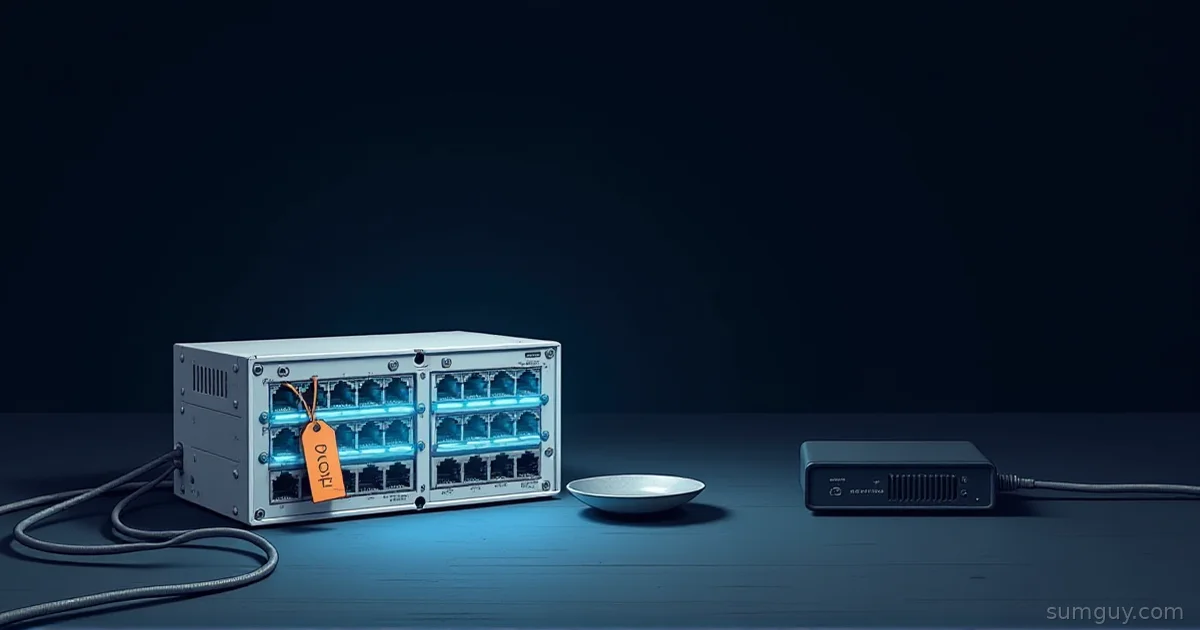
UniFi in a Home Lab: Worth the Tax?
UniFi costs more than an OPNsense router with cheap switches and APs. Here is what the premium buys, what it takes away, and the middle path most labs want.
All the articles with the tag "self-hosting".
UniFi costs more than an OPNsense router with cheap switches and APs. Here is what the premium buys, what it takes away, and the middle path most labs want.

pg_upgrade in link mode takes seconds. Logical replication takes planning. Here is when each wins, plus a tested Postgres 17 to 18 cutover with a rollback path.
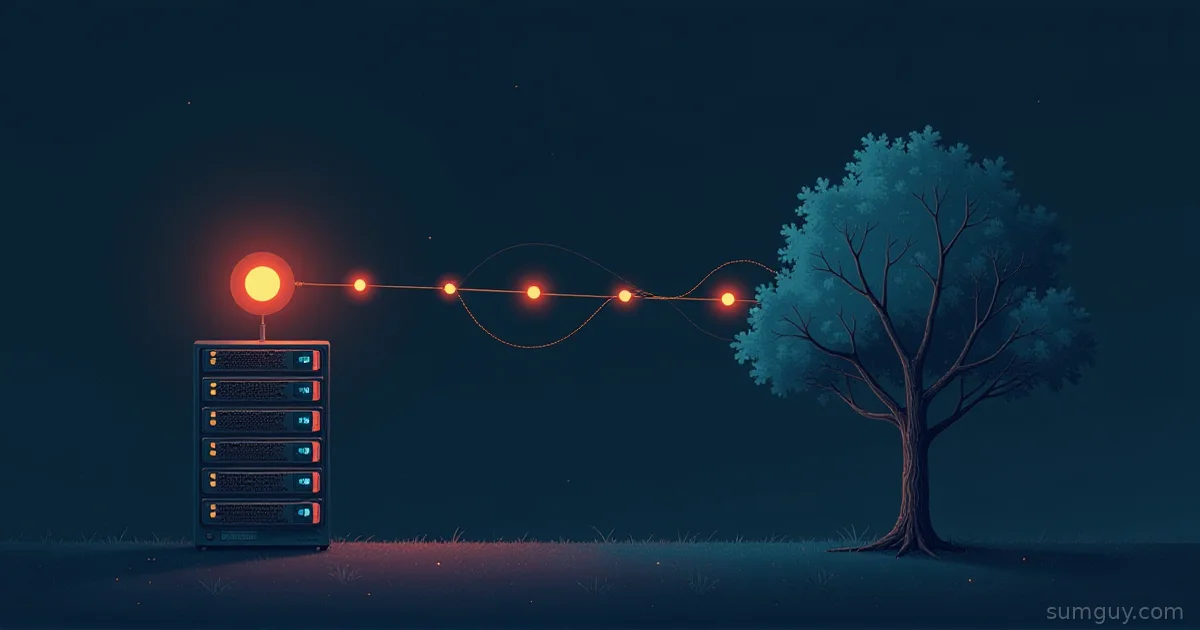
Replace Linktree with a page you host. LittleLink, LittleLink-Server and LinkStack compared with real image sizes and idle RAM, plus working Docker Compose files.
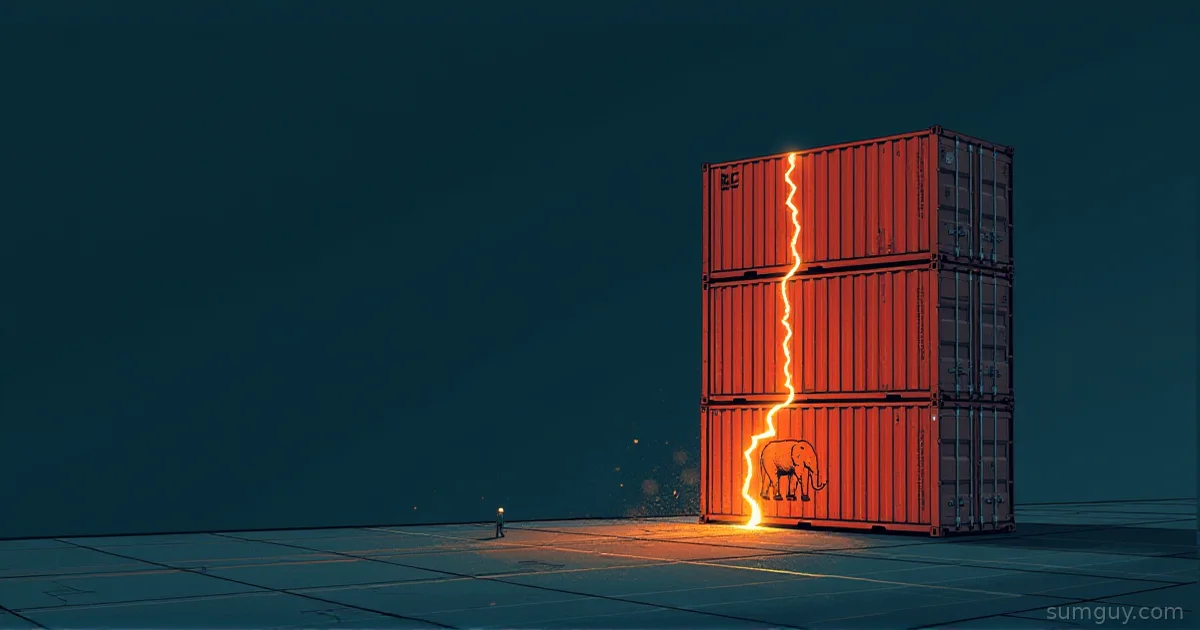
PHP2Shell is two unauthenticated PHP RCE flaws. Find every PHP container in your homelab, patch to the fixed release, and keep Cloudflare's WAF as a seatbelt.

Two used 3090s or a mismatched pair can run a 27B model. Compare llama.cpp layer split with vLLM tensor parallelism, PCIe limits, and a verdict on which to run.
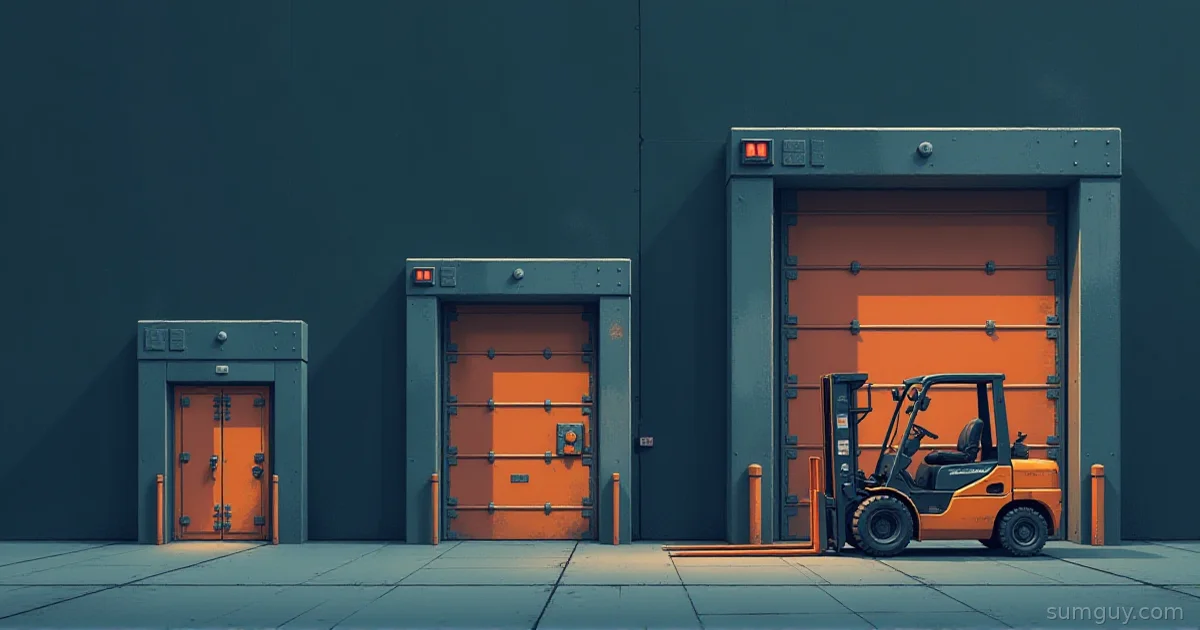
Keycloak, Authentik and Authelia compared on realms, LDAP and AD federation, SAML, OIDC, clustering and RAM, with Compose files and a pick for each use case.

Outline has no password login, so self-hosting it means pairing it with an OIDC provider. Here is a working Docker stack with Postgres, Redis, and Dex.

You ticked the hardware acceleration box and the CPU still sits at 100%. How to set up Intel QSV and NVIDIA NVENC in Docker, and how to prove the GPU works.
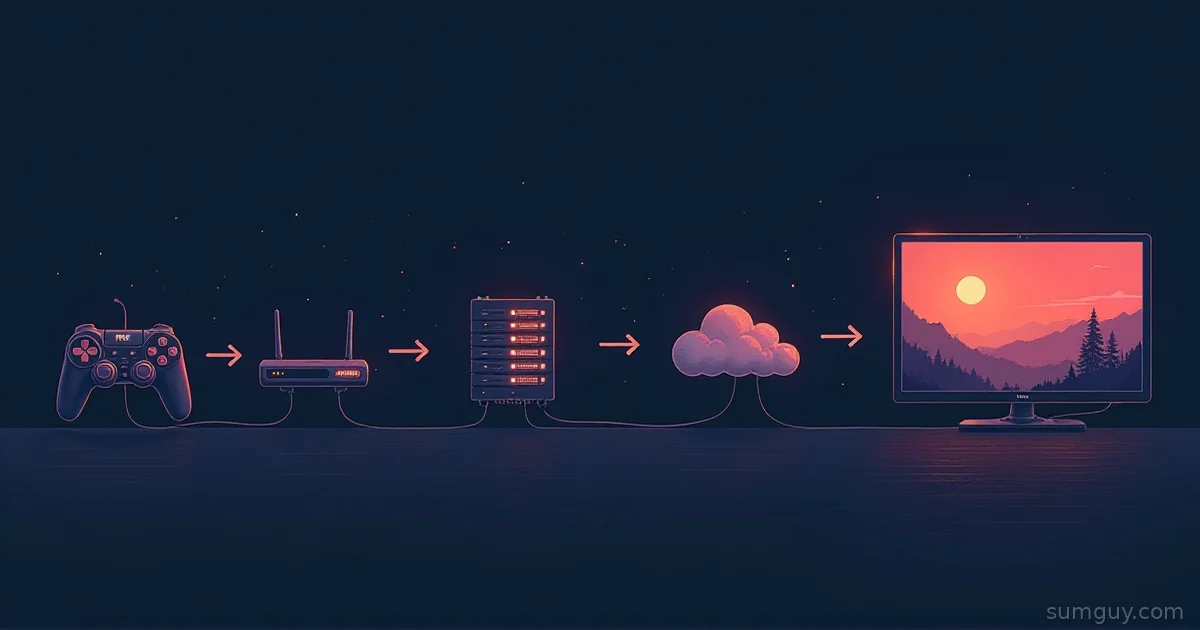
Ping is one stage of seven in a game stream's latency chain. Learn what else adds milliseconds, how to measure each stage, and which fixes pay off first.

Make jellyfin.home.example.com resolve to a LAN IP at home and over WireGuard or Tailscale, and to your public IP elsewhere. Unbound and AdGuard Home configs.
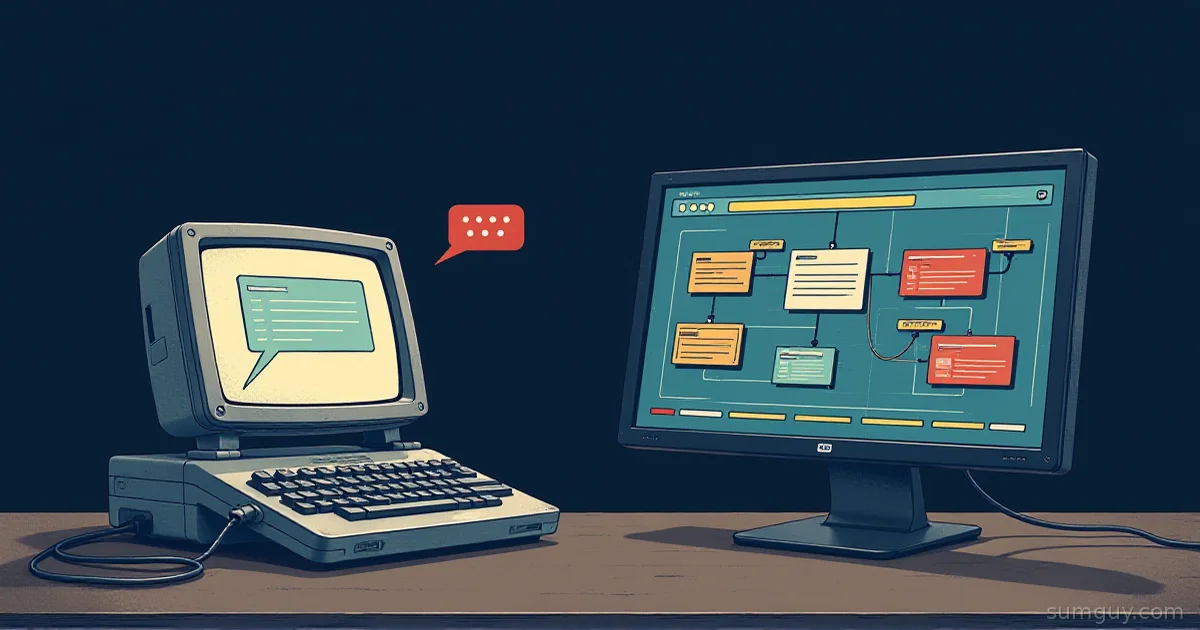
Dify and Open WebUI both front your local LLMs, but they solve different problems. Compare footprint, RAG, auth, APIs and licenses, and see how to run both.
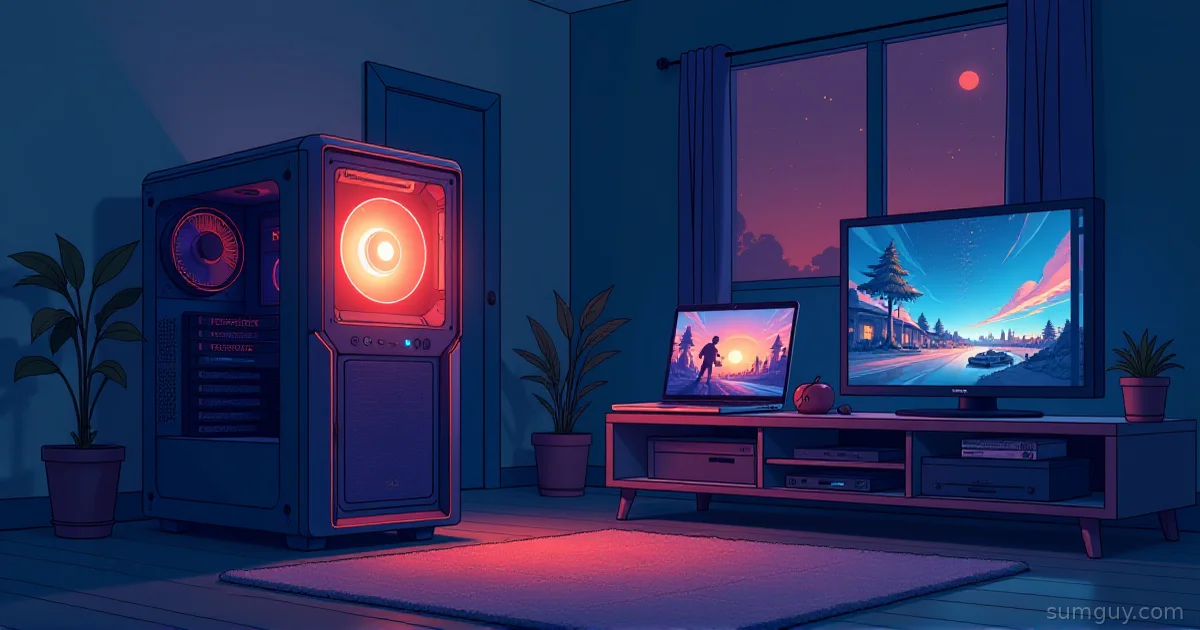
Run several Steam Headless v2 containers on one Linux box so a household can play at once, each seat streamed with Moonlight. Compose file, numbers, gotchas.