

Kdenlive Basics: Effects You Actually Use
Kdenlive cheat-sheet for the effects you actually reach for every edit: blur for privacy, audio ducking, titles, transitions, and the render dialog.
All the articles with the tag "linux".
Kdenlive cheat-sheet for the effects you actually reach for every edit: blur for privacy, audio ducking, titles, transitions, and the render dialog.

eBPF traces what Linux is actually doing, syscalls, TCP events, slow functions, without rebooting. A hands-on intro to bpftrace, BCC, and libbpf with copy-paste one-liners.

An honest take on migrating a home lab box to NixOS with flakes: the steep learning cliff, the weird Nix language, and why atomic rollbacks win.
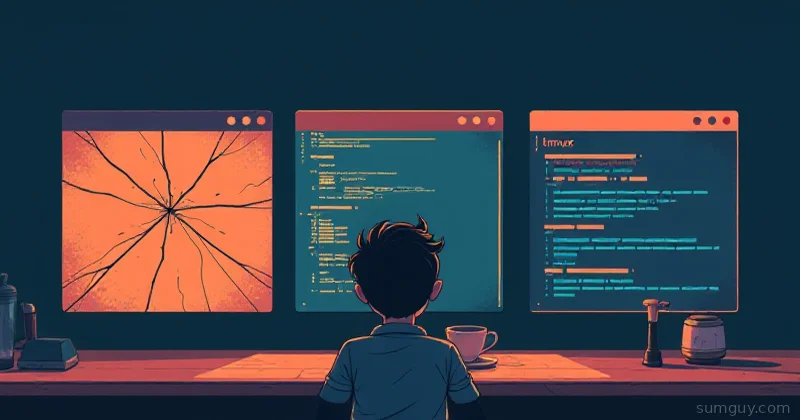
Screen is on every server, tmux is the sysadmin workhorse, and Zellij is the modern newcomer with sane defaults. Here's how all three compare, and which one you should actually use.

GNU coreutils are 50 years old and it shows. ripgrep, fd, bat, eza, fzf, and zoxide replace grep/find/cat/ls with faster, friendlier Rust-powered tools. Here's what each one wins at, and when the original still holds.

systemd-nspawn ships on every modern Linux box and most sysadmins have never touched it. Here's when this no-daemon, no-Docker-socket container runtime is actually the right tool.
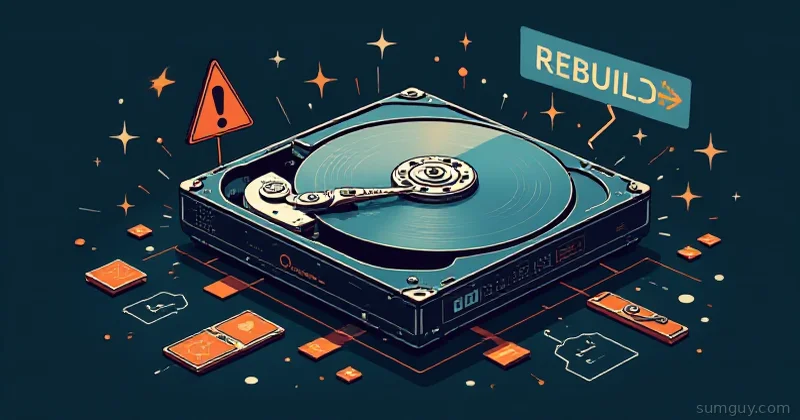
Your RAID 5 rebuild on a modern multi-TB drive has a 40-50% chance of hitting a URE before it finishes. Here's the 2026 math and what to do about it.
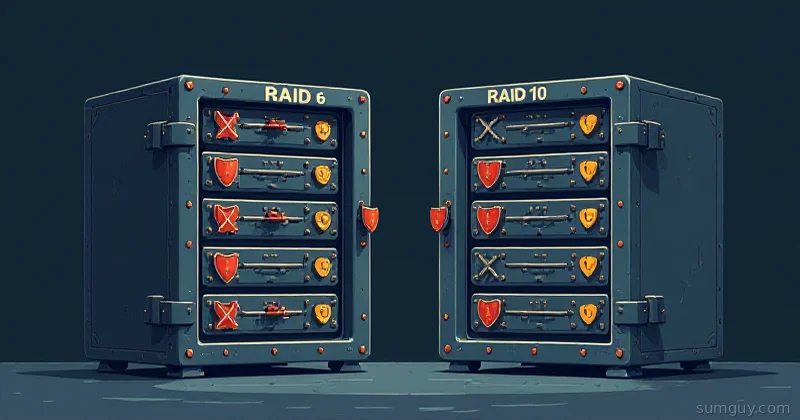
RAID 6 and RAID 10 both survive two dead disks and both need four drives. But they get there completely differently, and that difference matters.

You've been compromised. Now what? A practical incident response playbook for self-hosters who didn't think they'd need one until right now.
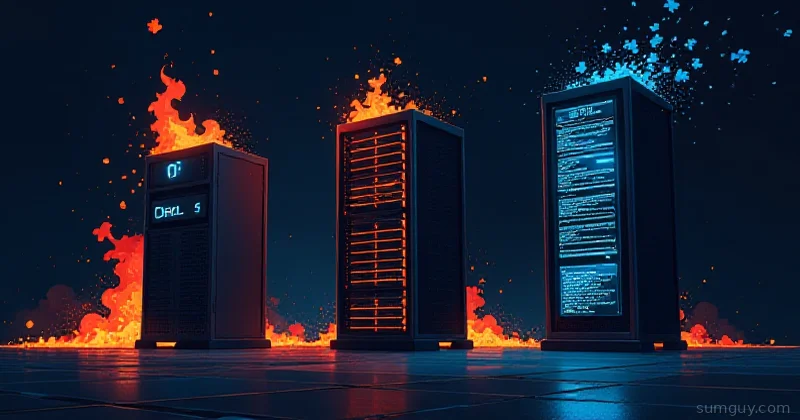
RAID 0 is fast and terrifying, RAID 1 is boring and beautiful, RAID 5 is the NAS compromise. How to pick the right one for your home lab drives.

apt, Homebrew, Flatpak, and Nix, which Linux package manager actually fits your workflow in 2026, and which one is just dependency hell with extra steps.
Twenty powerful bash one-liners every sysadmin should know, file ops, process hunting, networking, text processing, disk analysis