
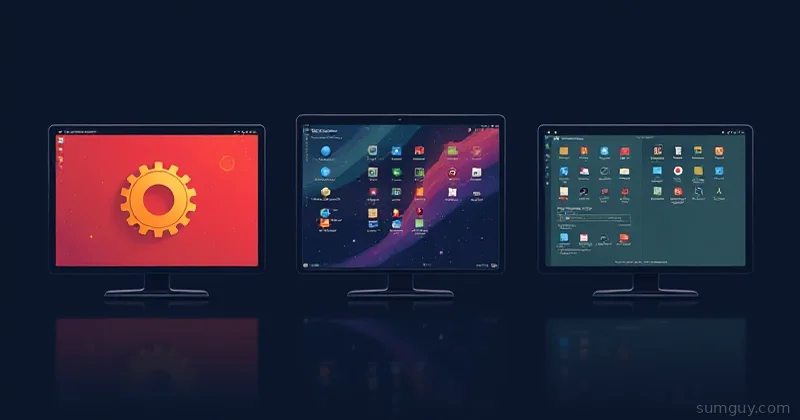
COSMIC vs KDE vs GNOME in 2026
·
Updated:
Three Linux desktops, three philosophies. COSMIC is opinionated Rust. KDE is maximally customizable. GNOME is workflow-first. Here's how to pick.
All the articles with the tag "linux".
Three Linux desktops, three philosophies. COSMIC is opinionated Rust. KDE is maximally customizable. GNOME is workflow-first. Here's how to pick.
Before you rack that server and walk away forever, these BIOS and UEFI settings will save you from a 3 AM drive to the datacenter or your dusty basement.

Rootless Docker tuning deep-dive: network drivers, env vars, port drivers, cgroup delegation, and real troubleshooting, anchored to Docker Engine 29.x.

Boot any OS over the network using iPXE, covers dnsmasq proxyDHCP setup, HTTP boot menus, Talos OS live boot, and the quick netboot.xyz shortcut method.
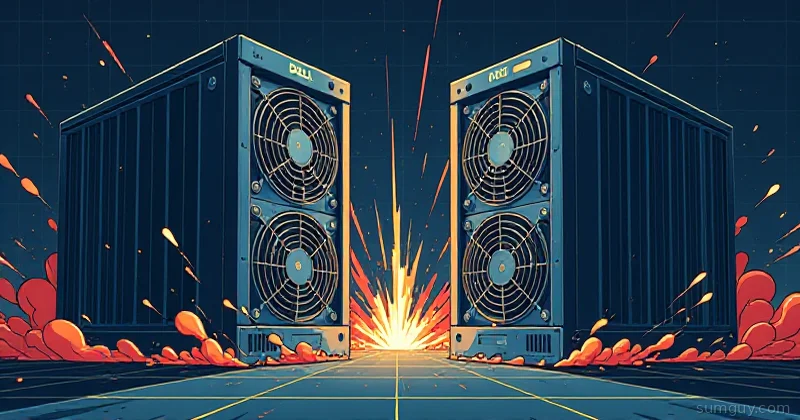
Dell R720 or HP DL380 G9 for your home lab? We compare CPU generation, power draw, fan noise levels, iDRAC vs iLO, and which used pizza box wins the fight.

Drive is dying. Which tool do you reach for? ddrescue clones, TestDisk repairs partitions, PhotoRec carves files. They're a workflow, not rivals.

Borg is open-source classic with SSH targets. Duplicacy has lock-free multi-source magic but commercial GUI. Here's which backup tool to pick.

virt-manager is fine, but real homelab automation lives on the command line. virt-install, virsh, cloud-init, provision VMs in seconds, not click-by-click.

fd has sane defaults, parallel walking, and respects .gitignore. find is gnarly but ships everywhere. Here's when each one wins.

Containers are just namespaces and cgroups in a trench coat. Build one yourself with unshare and nsenter, no Docker required. Here's what actually happens.

rclone copies and syncs files to cloud storage. Restic does deduplicated encrypted snapshots. Confusing them costs you restores at 2 AM.

traceroute lies. mtr tells the truth. Here's how to read packet-loss reports like an oncall engineer and stop blaming your ISP for the wrong hop.