
Adding NOT NULL on a Big Table Without Downtime
How to safely add a NOT NULL column with a live backfill on a 200M-row Postgres table without locking your users out or scheduling any maintenance downtime.
All the articles with the tag "homelab".
How to safely add a NOT NULL column with a live backfill on a 200M-row Postgres table without locking your users out or scheduling any maintenance downtime.
Build a real Postgres 17 HA cluster with Patroni 4.x, etcd 3.5, and HAProxy, fully automatic failover, tested switchover procedure, zero manual babysitting.

DragonflyDB vs Redis 8.x and Valkey 9.x: architecture deep dive, real performance benchmarks, honest gotchas, and when to swap your cache layer for a dragon.
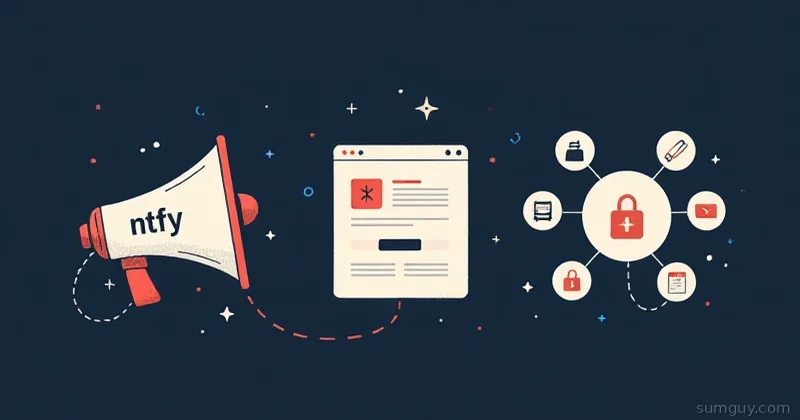
ntfy is curl-friendly push with iOS. Gotify is self-hosted with web UI. Apprise abstracts 70+ providers. Here's how to wire homelab notifications.

KeyDB forked Redis and shipped multi-threaded I/O and active-active replication years before Redis itself did. Here is whether it is still worth using today.

Postgres table bloat killing your query performance? Compare VACUUM FULL vs pg_repack and learn how to reclaim disk space live without any scheduled downtime.

pg_stat_statements is far more than a slow query log. Here is what most tutorials skip entirely: tail latency percentiles, cache hit ratios, and WAL bloat.
Mealie is the polished recipe app. Tandoor is the kitchen-ops powerhouse. Grocy tracks your entire house. Here's how to pick a self-hosted kitchen stack.
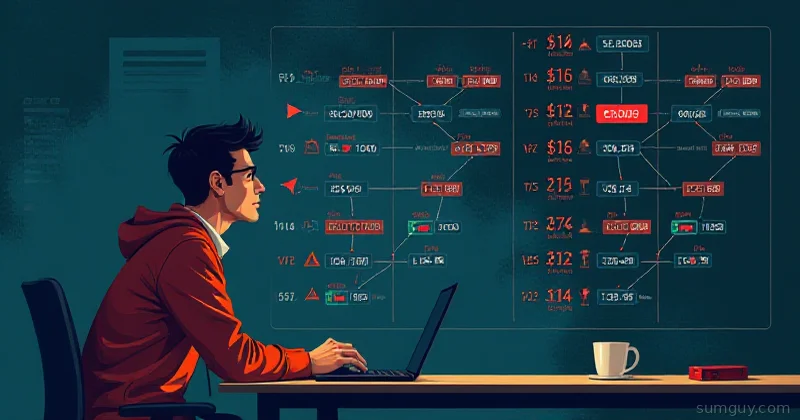
Learn to read Postgres EXPLAIN ANALYZE output without losing your mind. Costs, row estimates, buffer hit stats, and the index and query fixes that matter most.
pgAdmin, Adminer, or CloudBeaver, three web UIs for your databases, zero overlap in who should use them. Pick the wrong one and you'll hate your life.

BorgBackup is great. Borgmatic makes you actually run it: config-driven schedules, hooks, healthchecks, and a backup system that pages you when it breaks.

Run PostgreSQL 18 on ZFS for atomic snapshots, lz4 compression, and silent corruption detection. Tuning guide, backup automation scripts, and the real pitfalls.