

AMD Lemonade: Local LLM Serving for AMD GPUs
AMD finally has a fast, open source local LLM server that uses both GPU and NPU. If you've been jealous of Nvidia users, Lemonade is worth your time.
All the articles with the tag "open-source".
AMD finally has a fast, open source local LLM server that uses both GPU and NPU. If you've been jealous of Nvidia users, Lemonade is worth your time.
Claude Code found a Linux vulnerability hidden for 23 years. You can use the same AI code auditing approach to find bugs in your own projects before attackers do.

Learn IPFS distributed storage: content addressing, CIDs, installing the IPFS daemon, pinning files, public gateways, and real use cases for resilient self-hosted file storage.

Obsidian Sync costs $10 a month to move Markdown files you already own. Set up the free alternative instead: LiveSync, CouchDB, and Docker, encryption included.

Semantic versioning promises v1.1.0 is safe and v2.0.0 breaks things. What MAJOR.MINOR.PATCH guarantees, where maintainers cheat, and how to pin deps.

Piper vs Coqui TTS compared: speed, voice quality, Docker setup, and Home Assistant integration. Run offline neural TTS on your own hardware, no cloud fees.

FOSS licenses explained for developers and self-hosters: MIT vs GPL vs AGPL vs Apache 2.0, copyleft vs permissive, and what recent license changes mean for you.
Shell scripts hit a complexity wall. Go gives you a single binary, fast startup, great stdlib, and goreleaser for proper distribution. Here's how to build real CLI tools.

Text Generation Web UI vs KoboldCpp: setup, model formats, samplers, APIs, and performance compared so you can pick the right local LLM frontend fast.

Make your first open source contribution without embarrassing yourself. Find good first issues, fork correctly, write real PR descriptions, and handle review like a pro.

NocoDB self-hosted: connect to existing Postgres/MySQL, build spreadsheet views, auto-generate APIs, and skip the Airtable subscription forever.
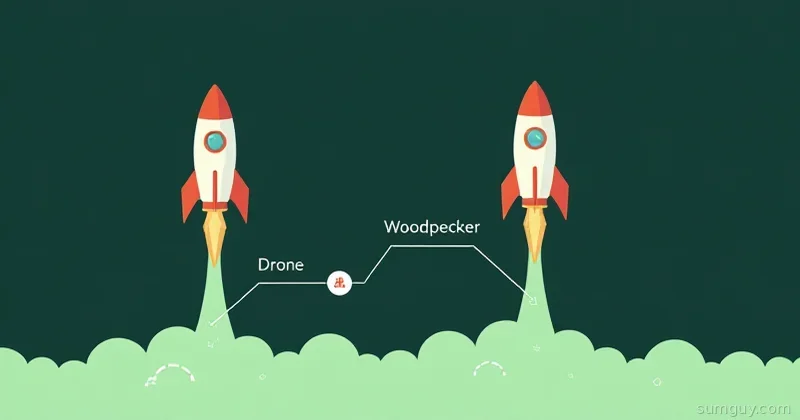
Drone CI went source-available, so its community forked it into Woodpecker CI. Compare pipeline syntax, licensing, Gitea support, and which one to run.