
REALITY: Borrowing a TLS Handshake
REALITY does not disguise your traffic as a real TLS handshake, it serves an actual one. How that works, a working config, and the honest limits of the trick.
All the articles with the tag "networking".
REALITY does not disguise your traffic as a real TLS handshake, it serves an actual one. How that works, a working config, and the honest limits of the trick.
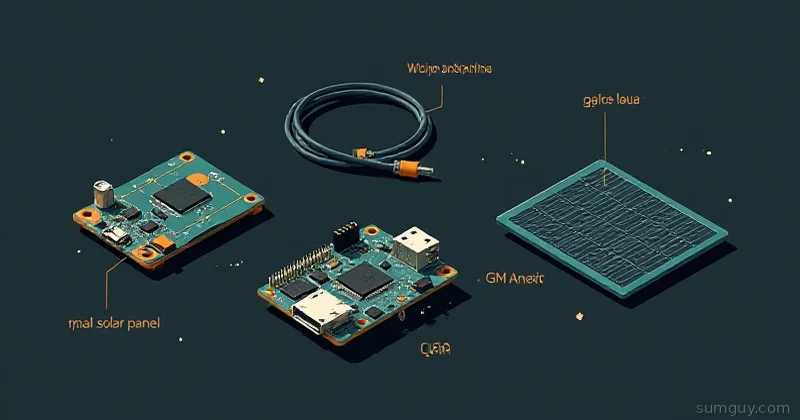
Which LoRa boards to buy for Meshtastic or MeshCore, why the antenna and mounting height matter more than the radio, and what to skip on your first order.
iptables is in soft retirement. Here's why the nft shim isn't a long-term plan and what direct nftables syntax actually buys you.

Encryption hides content, not shape. Here's why state-level censors don't read your VPN traffic, they recognize it, and what actually still works in 2026.
LoRa, LoRaWAN, and Helium are not the same thing. What each one actually is, what it is good for, and why the Helium IoT network deflated the way it did.

Meshtastic vs MeshCore: routing models, hop limits, who gets to repeat traffic, and which LoRa mesh firmware you should flash on your first radio in 2026.

Pangolin gives you Cloudflare Tunnel-style access to home services via a $5 VPS and a WireGuard mesh. Works even behind CGNAT, with zero vendor lock-in.
systemd-resolved does way more than mangle /etc/resolv.conf. Here's how its stub resolver, split DNS, DoT, DNSSEC, and resolvectl actually work.

Replace flannel with Cilium 1.19 on k3s for eBPF routing, Hubble observability, WireGuard encryption, and L7 network policies, here's when it pays off.
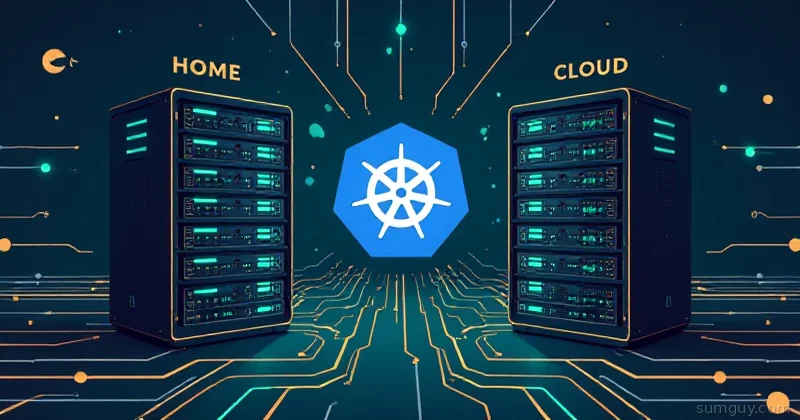
Run a single k3s cluster spanning two physical sites using Tailscale as the WireGuard fabric, home lab server plus cloud VPS, one single kubectl context.

Tailscale vs Nebula vs ZeroTier vs NetBird, honest comparison of mesh VPN options for homelabs, small teams, and self-hosters in 2026.

How to expose a possibly-vulnerable app to the public internet and survive it: rootless containers, a file-integrity tripwire, and zero inbound SSH on the box.