
SBOMs and Supply Chain Security
A Software Bill of Materials tells you exactly what's in your software. Syft generates one, Grype scans it for CVEs. Together they're your supply chain paper trail.
All the articles with the tag "containers".
A Software Bill of Materials tells you exactly what's in your software. Syft generates one, Grype scans it for CVEs. Together they're your supply chain paper trail.

Pulling unscanned images onto your server is a gamble. Trivy finds the CVEs. Cosign proves the image hasn't been swapped out. Here's how to add both to your workflow.

Falco watches every syscall your containers make and screams when something sketchy happens. Like someone exec'ing a shell inside your nginx container at 3am.

You're pulling container images from strangers on the internet. Trivy scans them for CVEs. Cosign proves they haven't been tampered with. Use both.
Run Docker containers without root privileges, here's the security difference, the install steps, and the gotchas nobody tells you about.
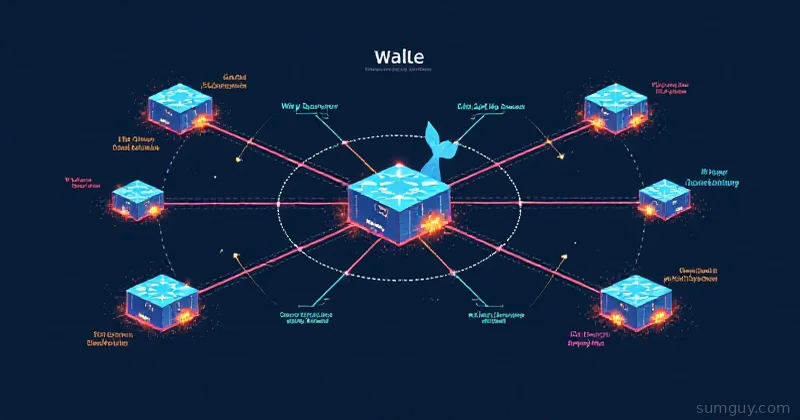
Docker networking confuses everyone at first. Here's the practical breakdown of bridge, host, overlay, and macvlan, with real Compose examples.
ctop and lazydocker beat docker stats for live container monitoring. Keybinds, install options, multi-host setups, and tracking a memory leak with each.
Stop letting Docker Hub throttle your CI/CD. Run Harbor for RBAC, Trivy scanning, image replication, and a real UI, on infrastructure you control.
Portainer, Dockge, and Dockhand compared side by side. Portainer handles fleets, Dockge nails single-host Compose, Dockhand gives you multi-host and SSO free.
Using :latest in production is a ticking time bomb. Pin your Docker image versions or watch a surprise update break everything at 2 AM.

Alpine gives you a shell and apk; Distroless gives you nothing but the app. Compare attack surface, image size, and multi-stage build complexity.
Distroless images contain only your app and its runtime, no shell, no package manager, no attack surface. Here's how to build them.